Introduction
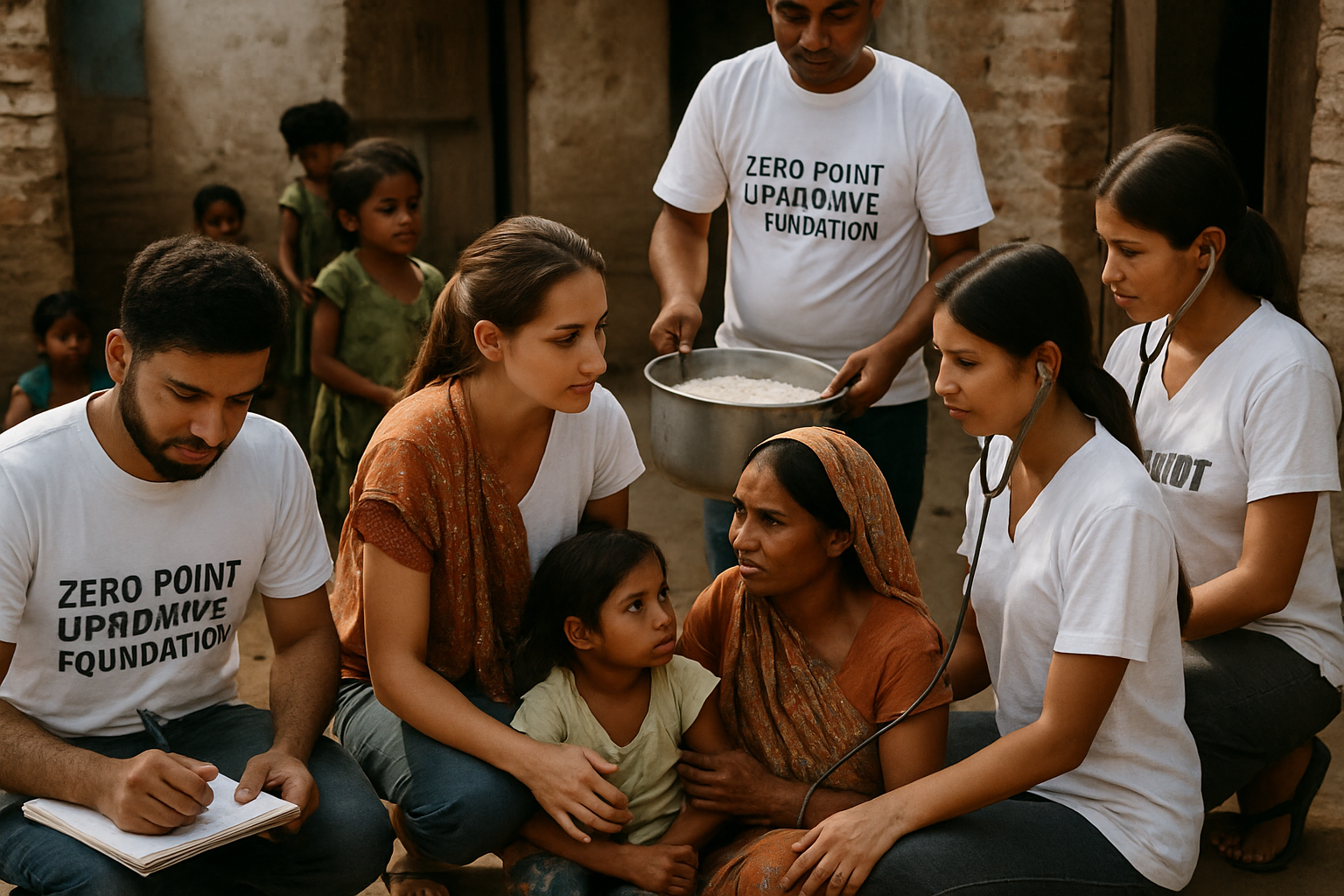
Zero Point Upadhye Foundation is committed to serving communities through education, healthcare, social work and humanitarian initiatives. Our goal is to support local solutions that improve learning opportunities, expand access to basic healthcare, reduce hunger, and strengthen community capacity. This article outlines practical approaches that community groups, volunteers, and supporters can use to make steady, measurable progress.
Principles That Guide Our Work
- Community-led design: Programs originate from listening to local needs and building on existing strengths.
- Practical, low-cost solutions: Emphasis on interventions that are affordable, replicable and scalable.
- Capacity building: Focus on training, mentorship and tools so communities can sustain initiatives themselves.
- Transparency and learning: Track progress, share learnings and adapt based on feedback.
Education: Practical Steps to Improve Learning
Access to quality learning can be improved using simple, community-focused actions:
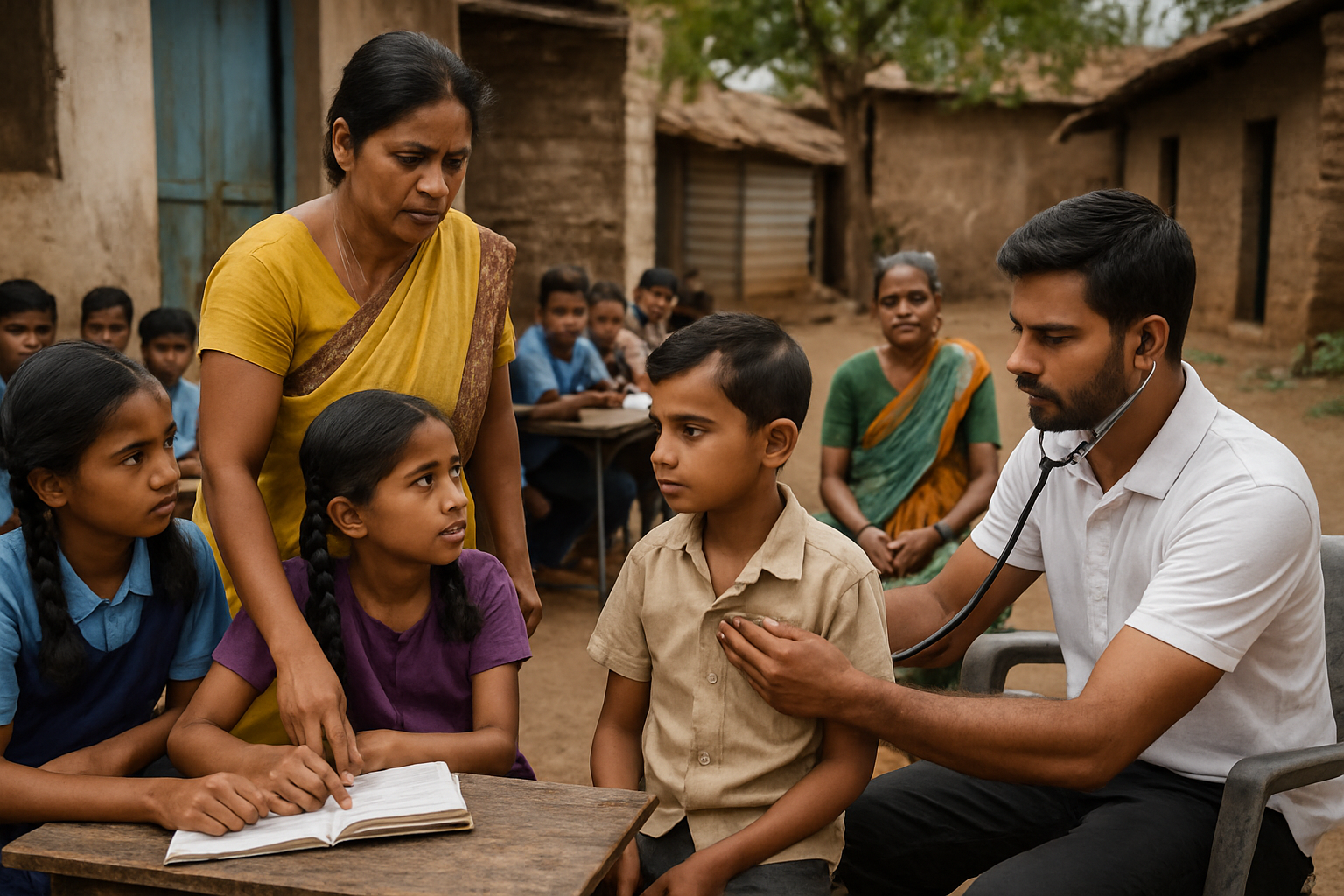
- After-school learning circles: Organize volunteer-run study sessions using existing community spaces such as temples, schools or homes.
- Parent engagement: Host brief parent workshops on supporting homework, reading practices and the importance of regular attendance.
- Learning materials: Create low-cost, locally relevant learning aids — flashcards, storybooks in the local language, and activity kits.
- Teacher peer groups: Facilitate regular peer meetings for local educators to share techniques, lesson ideas and classroom management tips.
- Digital inclusion (where feasible): Introduce shared devices or offline digital libraries with basic curriculum support and educational videos, ensuring content is age-appropriate and contextually relevant.
Healthcare: Preventive, Accessible and Community-Centered Actions
Improving health outcomes often starts with prevention and awareness. Consider these approaches:
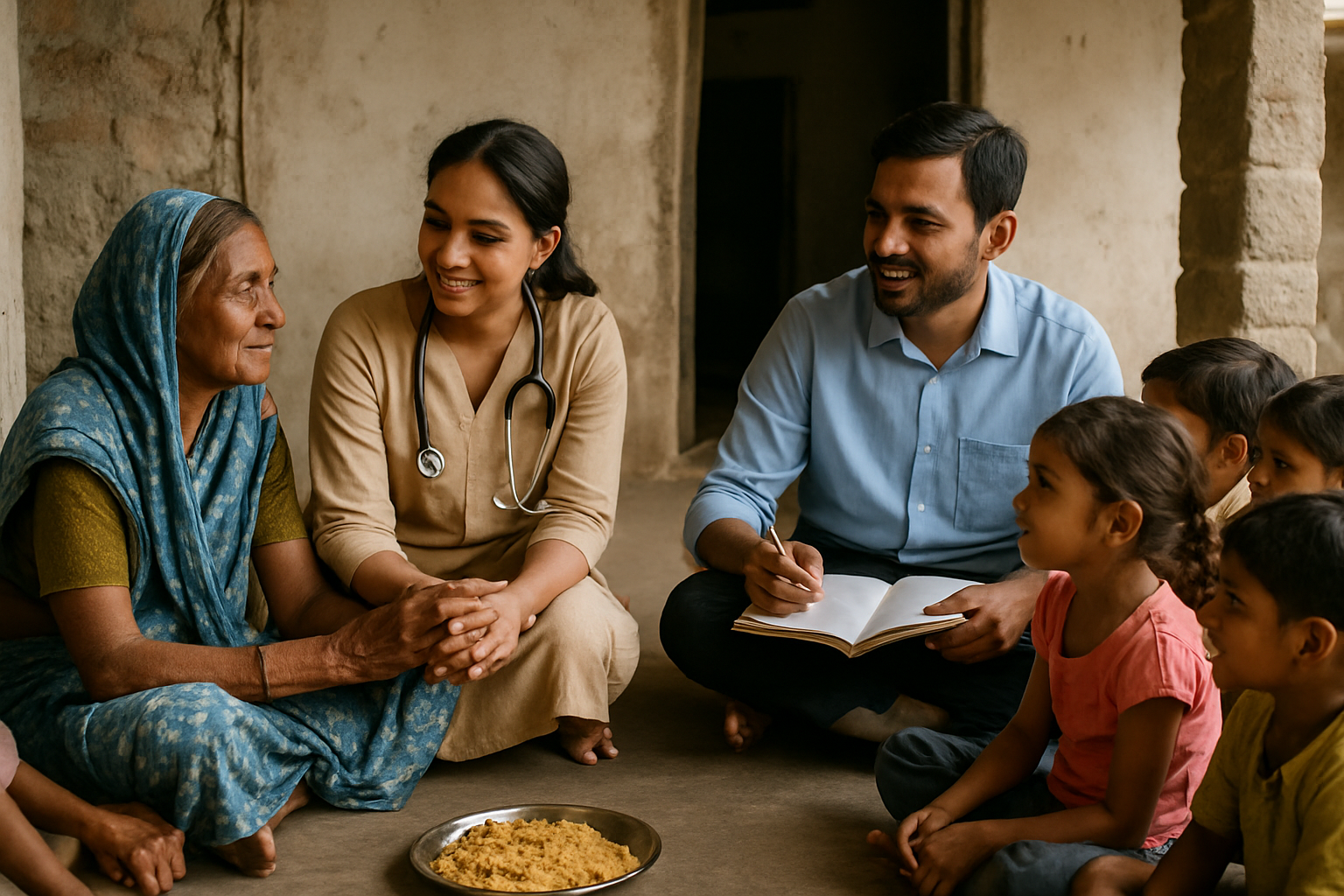
- Health education sessions: Simple, interactive talks on hygiene, first aid, maternal and child health, and common illnesses, using visuals and demonstrations.
- Community health volunteers: Train local volunteers to recognize basic symptoms, provide first-line advice, and refer people to clinics when needed.
- Nutrition awareness: Promote balanced, locally available foods, and share practical meal-planning tips for infants, pregnant mothers, and growing children.
- Referral pathways: Map nearby health centers and create clear steps for people to seek care when required.
Addressing Hunger and Food Security
Ensuring no child goes hungry is a moral priority and a practical one for learning and health. Community-level strategies include:
- Community kitchens and meal initiatives (draft): Explore locally led meal programs that use donated or low-cost ingredients with transparent processes for safety and distribution.
- Kitchen gardens: Promote small household or school gardens to grow vegetables and herbs to supplement diets year-round.
- Nutrition education: Workshops on affordable, nutritious meal planning and safe food handling.
Draft Program Plan: Community Health & Learning Outreach (suggestion/draft)
- Phase 1 — Listening and Mapping (Weeks 1–2): Meet community leaders, map existing resources (school, health center, meeting spaces) and identify priority needs.
- Phase 2 — Capacity Building (Weeks 3–6): Train a small team of local volunteers in basic teaching methods, health awareness and data collection.
- Phase 3 — Pilot Activities (Months 2–4): Run weekly learning circles, fortnightly health education sessions, and start a kitchen garden pilot at one site.
- Phase 4 — Review and Scale (Month 5 onward): Collect feedback, adjust the approach, and expand to new locations based on local interest and capacity.
This plan is a template and should be adapted to local context, seasonality and community preferences.
How Volunteers and Supporters Can Help
- Volunteer skills: Teach, mentor, help run sessions, support logistics or contribute expertise in health, education or nutrition.
- In-kind donations: Educational supplies, kitchen garden seeds, or basic health materials (safe and appropriate items only).
- Capacity support: Help develop simple monitoring templates, training materials or low-cost learning resources.
- Advocacy and awareness: Share stories (with consent) and raise awareness to build local support networks.
Measuring Progress
Meaningful monitoring focuses on simple, trackable indicators and community feedback. Examples include attendance at learning sessions, number of volunteers trained, changes in knowledge measured through pre- and post-session quizzes, and qualitative community feedback. Use results to refine activities rather than as one-time judgments.
Suggested Community Story (draft)
Suggested/draft only: "A short narrative about a family or volunteer who participated in our pilot learning circle, highlighting what changed for them — increased confidence, improved attendance or better nutrition practices." This is a draft template for collecting real stories; do not publish without consent and verification.
Get Involved and Contact Us
If you are interested in supporting or learning more about these approaches, please reach out to Zero Point Upadhye Foundation:
- Address: Behind Jain Temple, Mahishawadagi, 591240, Tq. Athani, District Belagavi, Karnataka, India
- Phone: 9880320191
- Email: dr.anand.upadhye@gmail.com
We welcome volunteers, ideas and conversations about how to adapt these practical steps to the local context. All proposed activities should be developed collaboratively with the community and carried out with respect, safety and transparency.