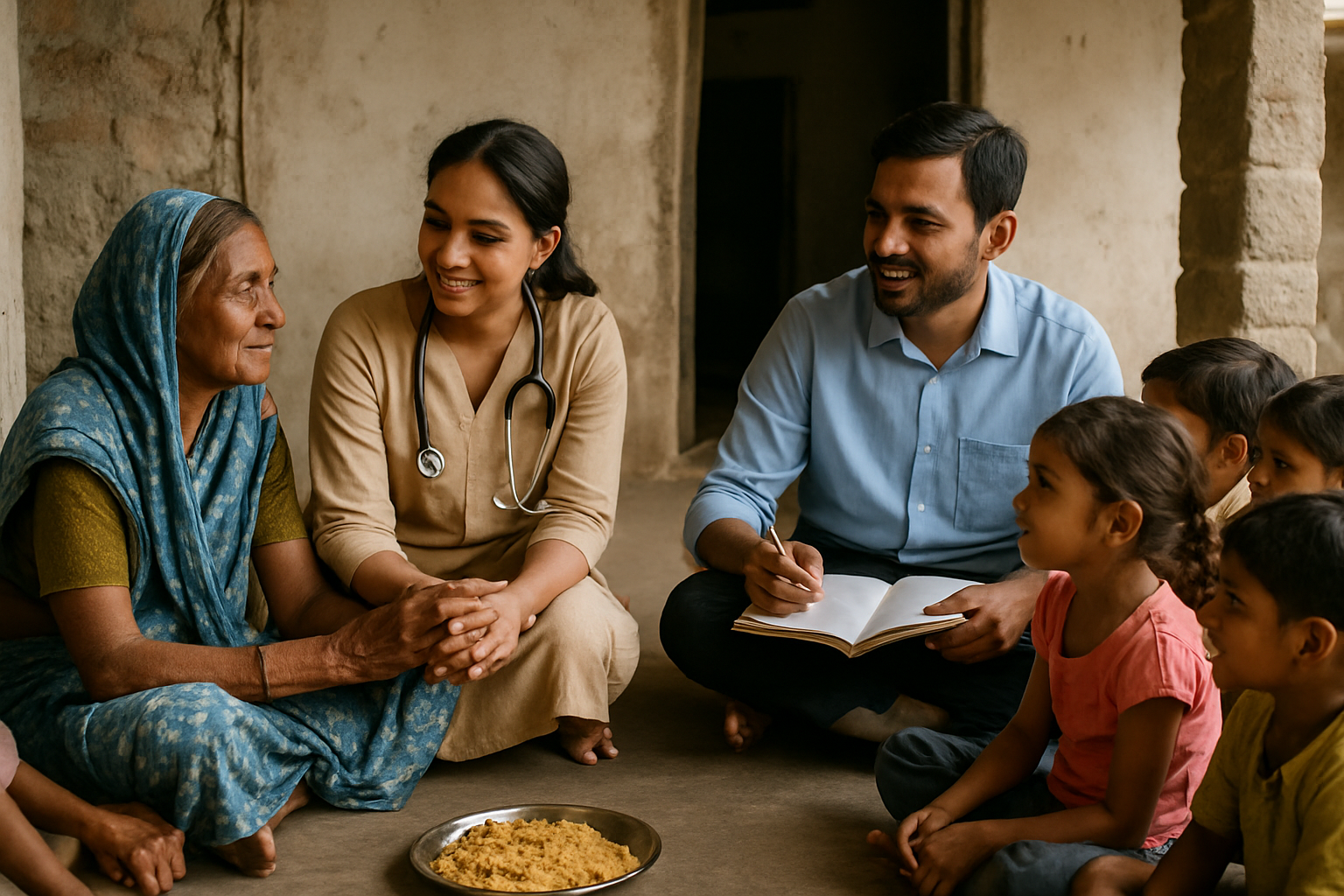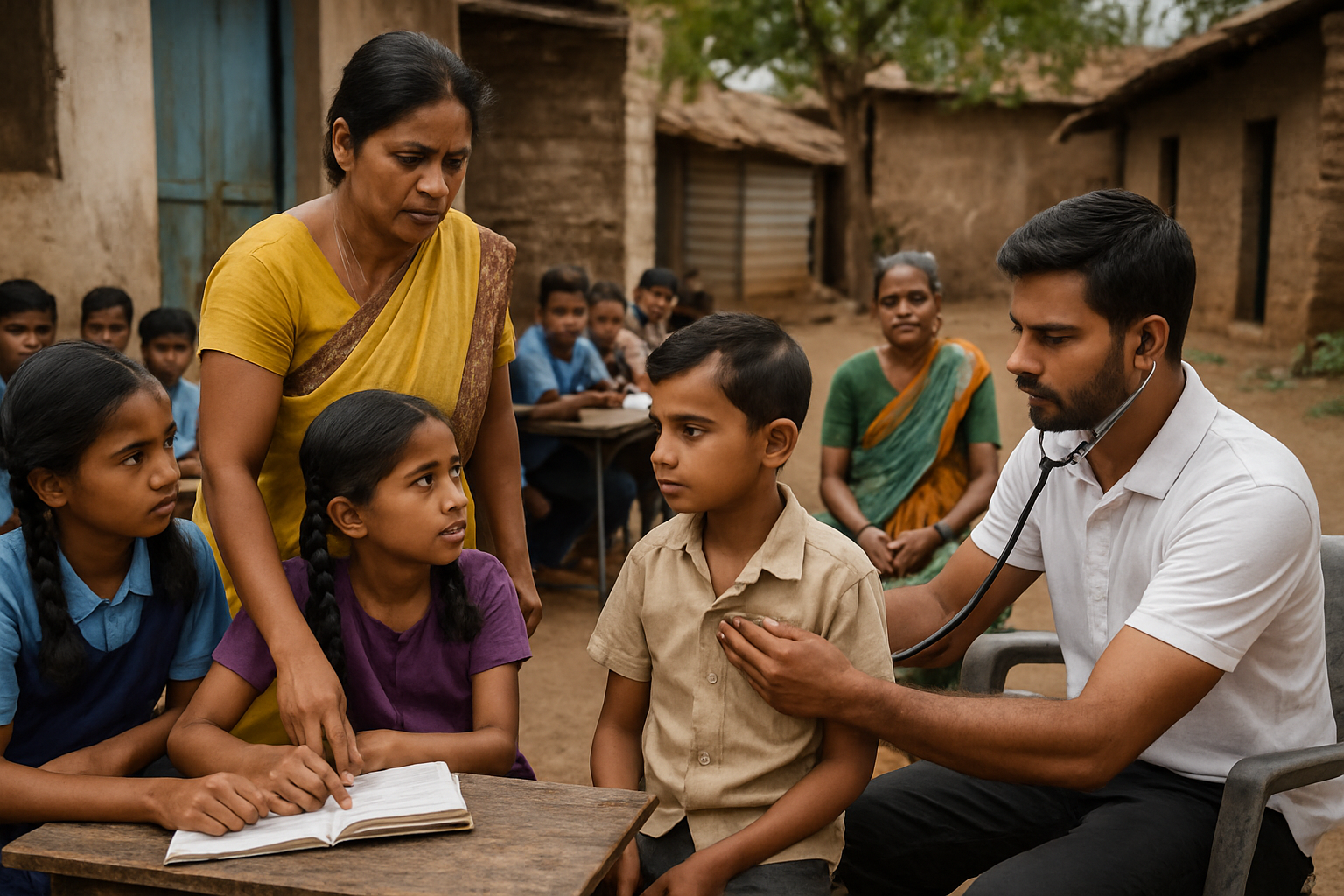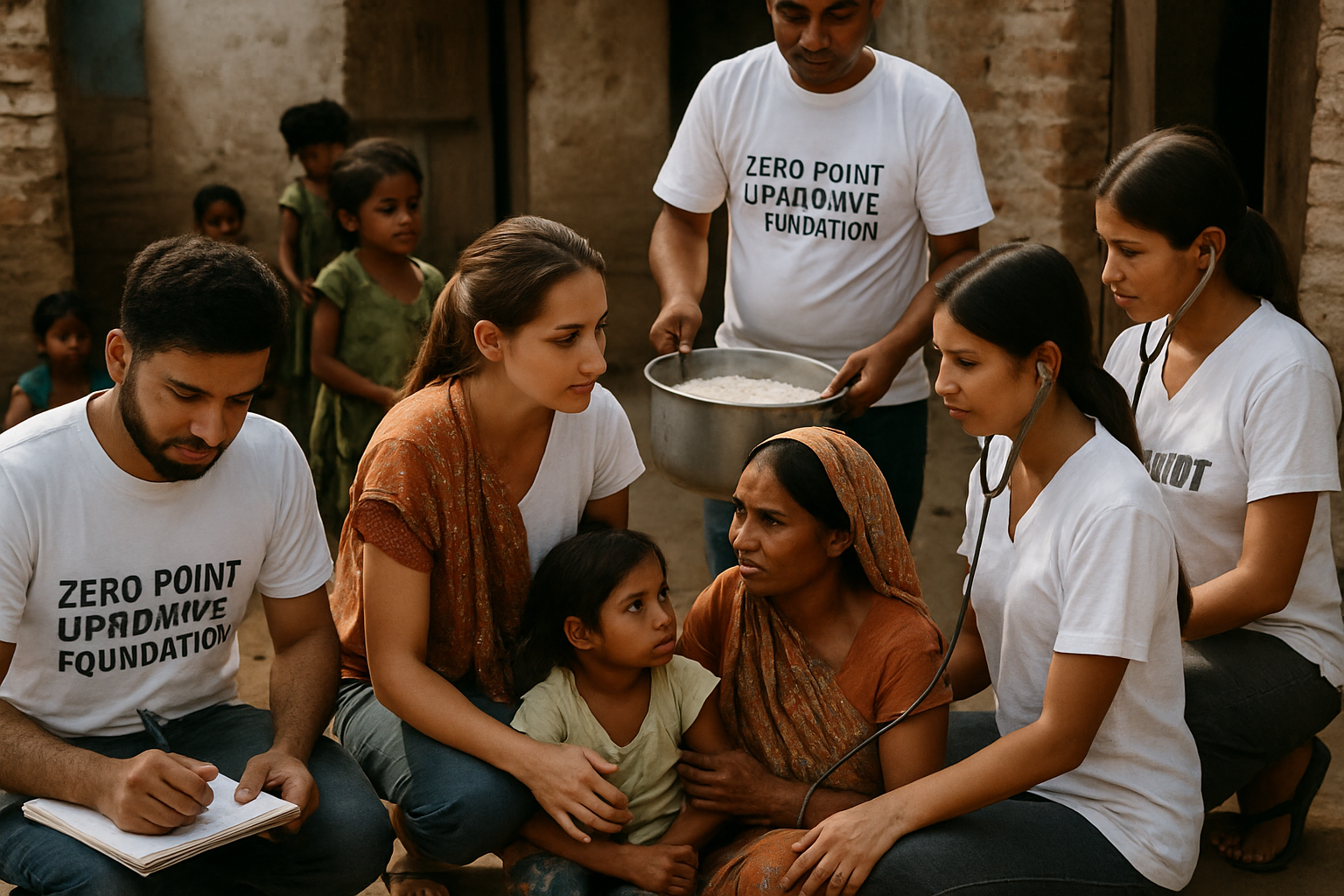
Zero Point Upadhye Foundation is committed to serving communities through education, healthcare, social work and humanitarian initiatives. This article outlines practical, low-cost approaches community members, volunteers and local groups can take to improve education outcomes, increase basic healthcare access, reduce child hunger risk, and build sustainable local support systems.
Why a Local, Practical Approach Matters
Large-scale policy and funding are important, but durable change often starts with local action. Neighbors, teachers, health workers and volunteers who collaborate can fill immediate gaps, create resilient support networks, and mobilize resources in culturally appropriate ways. The suggestions below focus on scalable, replicable activities that emphasize dignity, community ownership and measurable learning.
Core Focus Areas and Practical Actions
1. Education: Small Steps with Big Effects
- Community Learning Circles: Organize after-school or weekend reading and homework groups in community centers, temples, or open spaces. Keep sessions short (60–90 minutes) and focused on literacy, numeracy, or exam preparation.
- Volunteer Tutor Roster: Maintain a simple roster of local volunteers (teachers, college students, skilled adults) available for short-term tutoring. Rotate responsibilities to avoid burnout.
- Low-cost Learning Materials: Use locally available materials (newspapers, used notebooks, chalkboards) and encourage a shared library model where families lend or swap books and supplies.
- Mentoring and Life Skills: Incorporate sessions on basic life skills—communication, hygiene, time management—to complement academic learning.
2. Healthcare: Improving Access and Awareness
- Health Awareness Sessions: Arrange periodic community talks on hygiene, nutrition, maternal and child health, and common preventable conditions. Use clear visuals and local language.
- First-response Training: Offer basic first-aid training for volunteers and caregivers, focusing on wound care, fever management and when to seek professional care.
- Referral Pathways: Create clear, printed referral information listing nearby clinics, operating hours, and contact details so families know where to go in emergencies.
- Nutrition Counseling: Provide practical advice on affordable, nutritious meal planning using local foods, and age-appropriate feeding practices for infants and young children.
3. Food Security and Child Hunger Prevention
- Community Kitchens and Meal Sharing: Organize voluntary, short-term meal programs tied to learning sessions so children can study on a full stomach. Ensure food safety and dignity—plated meals, choice when possible.
- Kitchen Gardens: Promote small home or community gardens (containers, raised beds) to grow vegetables and herbs that improve household nutrition.
- Resource Mapping: Identify local food sources, markets and community members with surplus production who might contribute in-kind to shared meals.
4. Community Empowerment and Governance
- Local Committees: Form small representative committees (parents, elders, youth) to plan and monitor activities, set priorities and manage resources transparently.
- Simple Monitoring: Use basic indicators such as attendance, number of sessions held, and participant feedback to understand what works and where to adjust.
- Skills Training: Facilitate short vocational or practical skills workshops based on local demand (e.g., tailoring, basic repairs, food processing) to broaden livelihood options.
How to Start: A Practical Checklist for Community Groups
- Identify a small, committed core group of 3–7 people to coordinate activities.
- Hold a short community meeting to assess needs and priorities.
- Draft a two-month plan with clear, achievable goals (e.g., weekly reading circle, monthly health talk).
- List required resources (space, volunteers, basic materials) and identify local in-kind contributions.
- Set up a simple record-keeping notebook or spreadsheet to track sessions and feedback.
- Review progress monthly and adapt activities based on community input.
Suggested/Draft Event Ideas (for planning only)
Note: Below are suggested/draft ideas intended to help communities plan — they are not confirmed events.
- Suggested/Draft: Weekly Reading Circle: 60–90 minutes every Saturday at a community hall featuring storytelling, reading aloud and paired reading for different age groups.
- Suggested/Draft: Basic Health Awareness Day: Half-day session with talks on hygiene, nutrition and first-aid demonstrations led by local health workers or trained volunteers.
- Suggested/Draft: Kitchen Garden Workshop: Hands-on demonstration on setting up container or raised bed gardens using household waste composting.
Volunteer Roles and a Short Onboarding Guide
- Role Types: Tutors, session facilitators, health educators (trained), cooks for shared meals, logistics coordinators.
- Onboarding Steps: Collect basic contact info, clarify expected time commitment, provide a short orientation (30–60 minutes) covering purpose, safety and confidentiality, and pair new volunteers with experienced ones where possible.
- Safeguarding: Ensure activities prioritize the safety and dignity of children and vulnerable adults. Keep sessions public or with at least two adults present and maintain clear, respectful behavior standards.
Measuring Progress Without Complex Tools
You don’t need sophisticated systems to understand if community efforts are helping. Simple approaches include tracking attendance, collecting short verbal feedback after sessions, and documenting a few short success stories (with permission) about what participants learned or changed. Use these insights to iterate and improve.
How Zero Point Upadhye Foundation Can Help
Zero Point Upadhye Foundation supports community-led, respectful initiatives that build capacity and resilience. If your group would like guidance, resource suggestions, or help planning a suggested/draft activity, please reach out. We can discuss feasible next steps and share practical templates for planning and monitoring.
Contact
Zero Point Upadhye Foundation
Address: Behind Jain Temple, Mahishawadagi, 591240, Tq. Athani, District Belagavi, Karnataka, India
Phone: 9880320191
Email: dr.anand.upadhye@gmail.com
If you are interested in volunteering, organizing a suggested/draft event, or learning more about practical community approaches described above, please contact us. We welcome conversation, ideas and local leadership.